PS5 — Clay Modeling
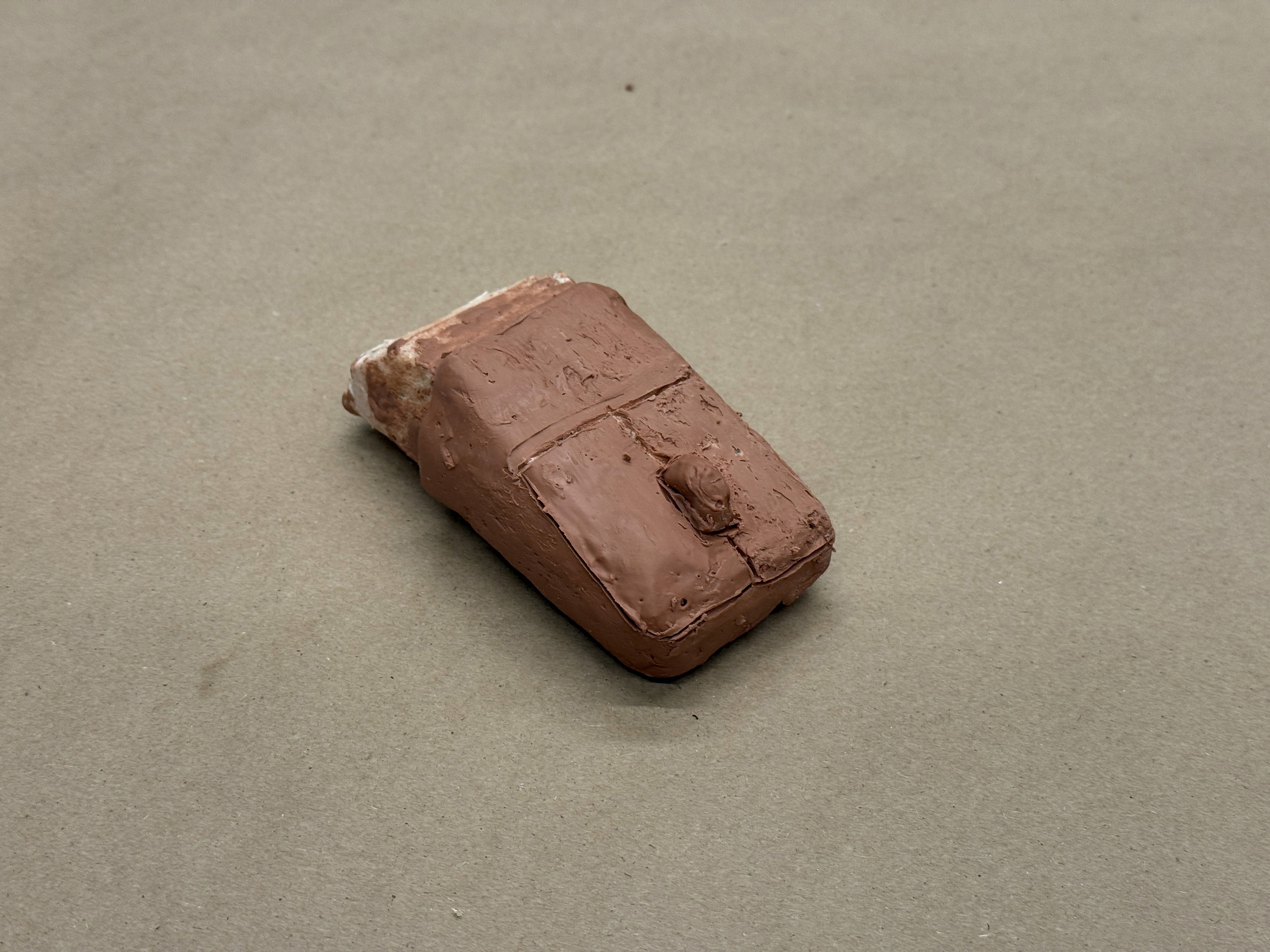
A clay-modeled gaming mouse mockup that explores ergonomic form, hand interaction, and physical product shaping through foam and surface sculpting.
00
Problem
Digital design alone often fails to capture the physical interaction and ergonomics of handheld products. The challenge was to create a full-scale 3D mockup that accurately represents both the form and user interaction of a product using a foam core and clay surface.
Solution
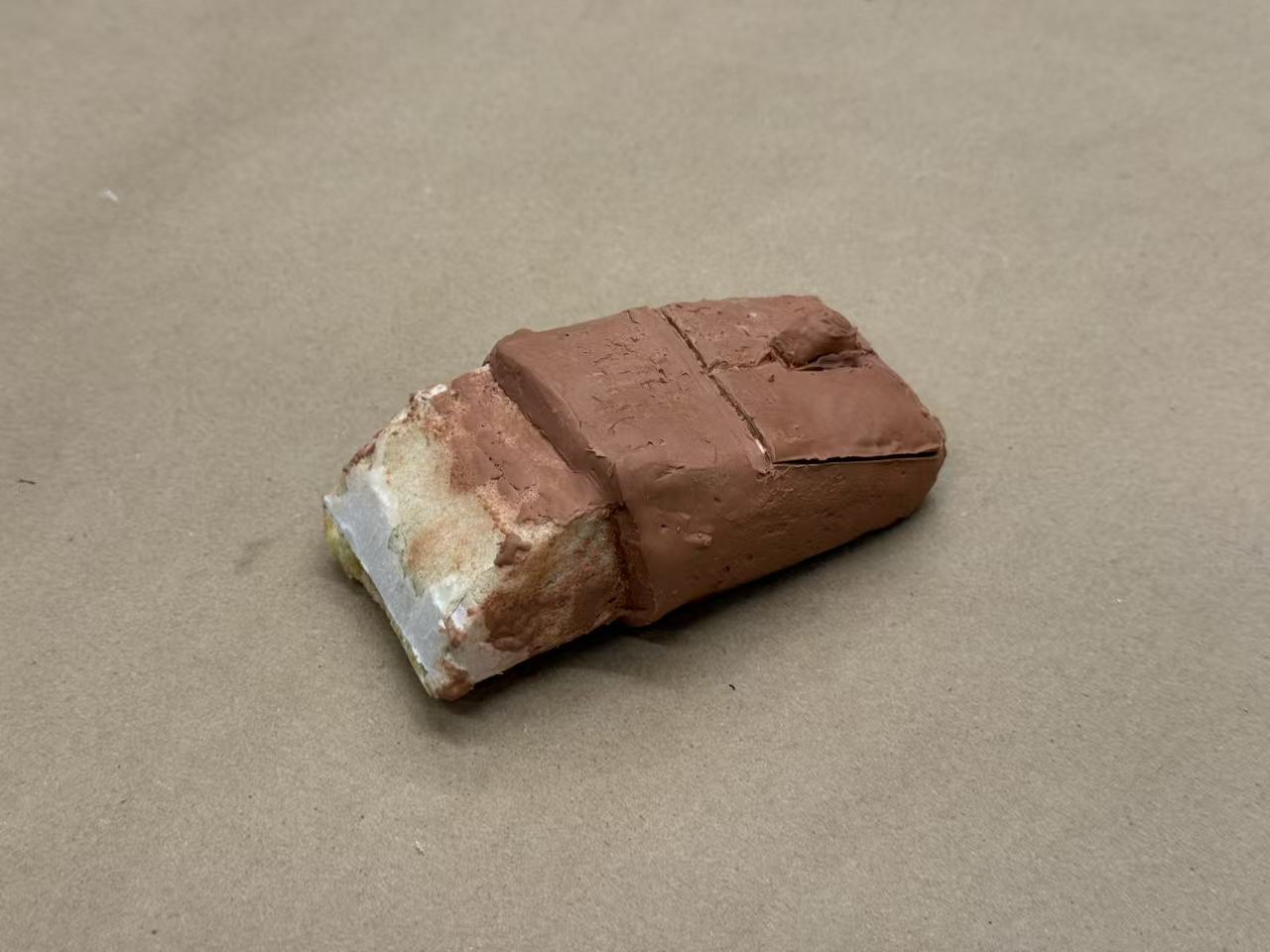
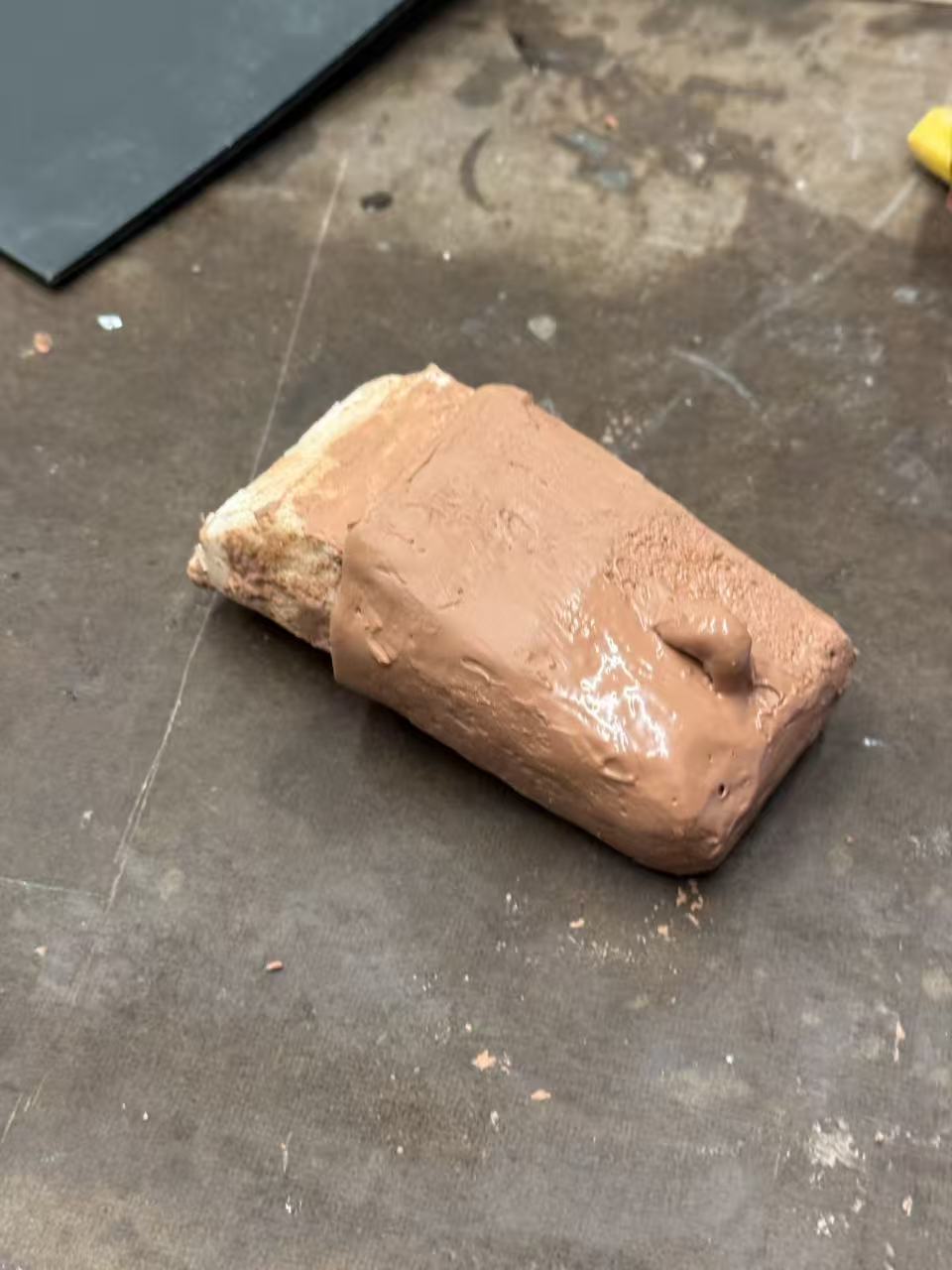
The final design uses a foam core for structural volume and a clay outer layer to sculpt the detailed surface of a gaming mouse. This approach allows for rapid iteration and refinement of ergonomics, enabling the form to be shaped directly based on hand interaction and comfort.
This project focuses on developing a physical mockup of a handheld product to better understand form, ergonomics, and user interaction. The selected object, a gaming mouse, requires careful consideration of grip, contour, and hand positioning, making it well suited for clay-based modeling.
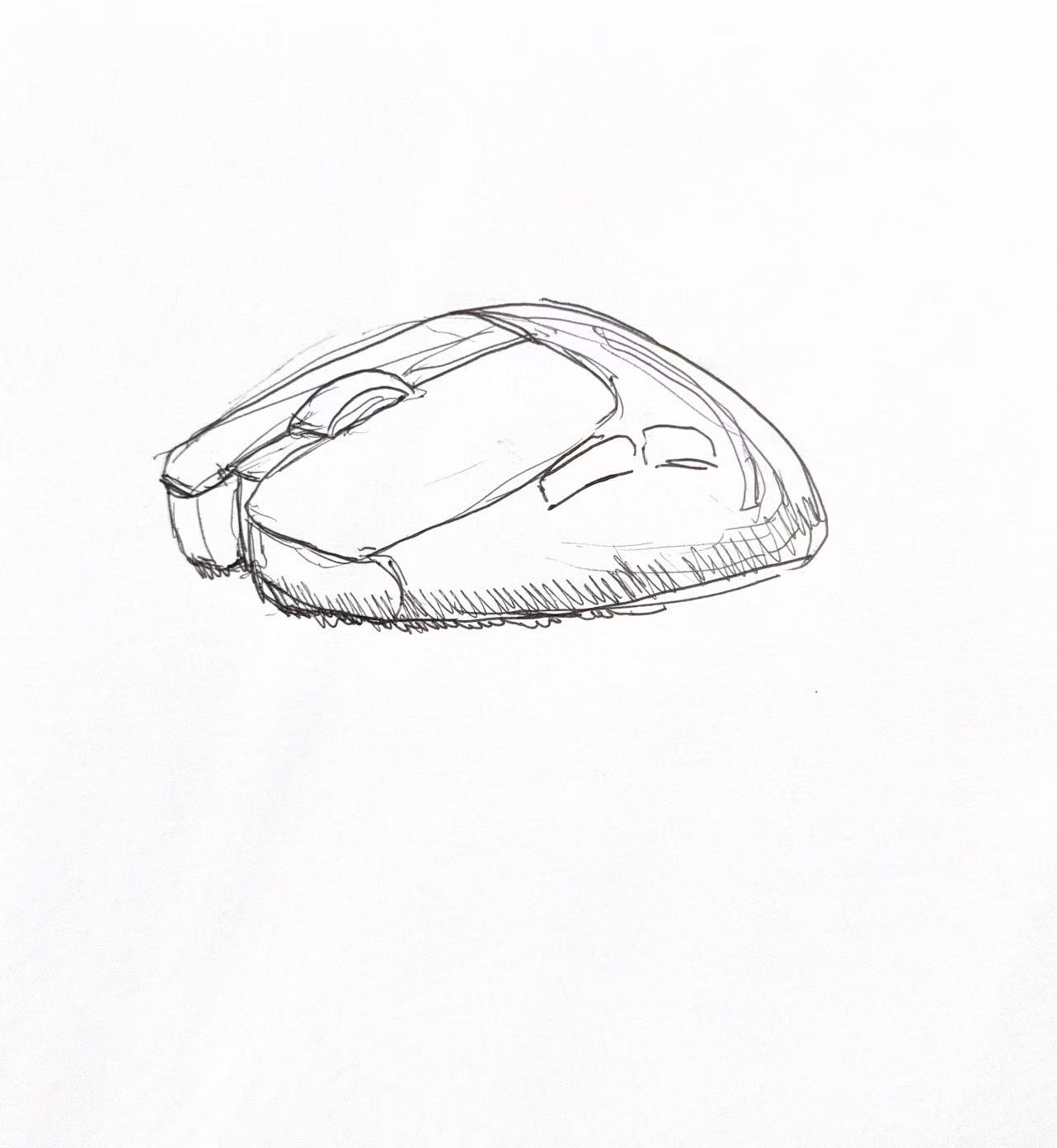
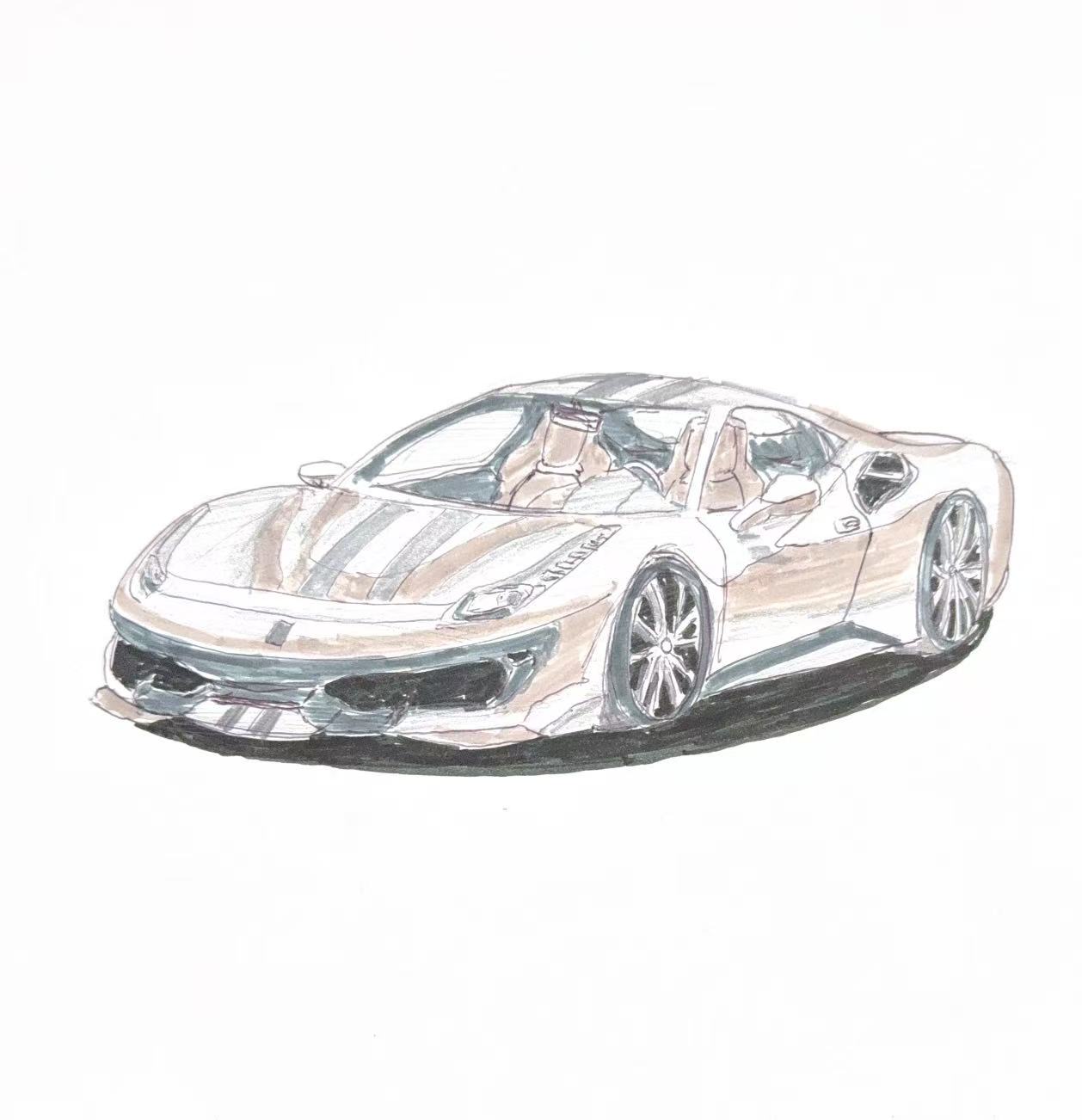
The design process began with sketching multiple concepts that explored different shapes, sizes, and grip styles. Emphasis was placed on how the hand rests on the mouse, including finger placement, palm support, and overall comfort. A final concept was selected based on its balance between ergonomic fit and clean form.
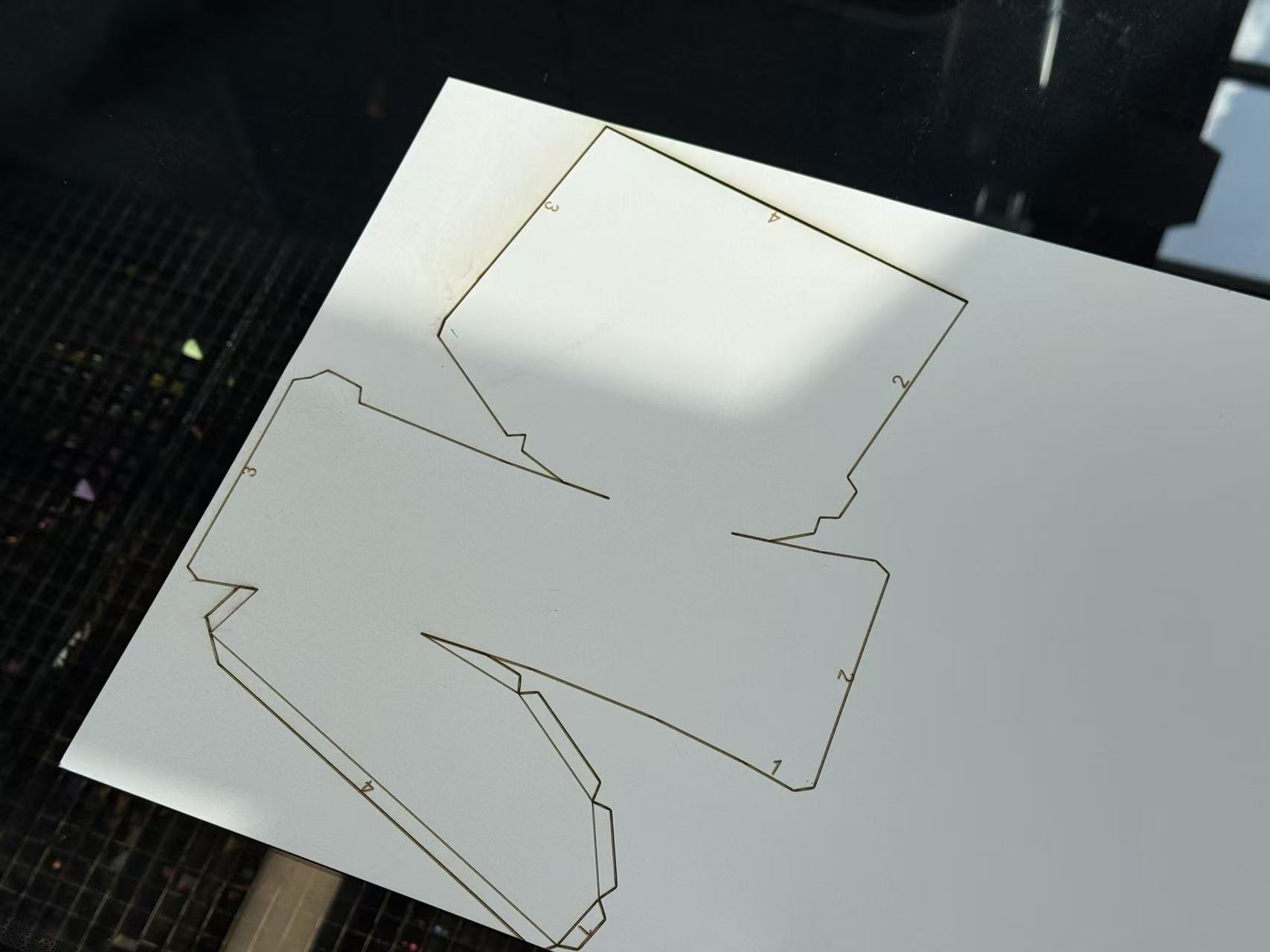
A foam core was first created to establish the overall volume and proportions of the mouse. This core acts as the structural base, allowing the design to remain lightweight while providing a foundation for further refinement. The shape of the core was simplified to focus on the primary form before adding surface detail.
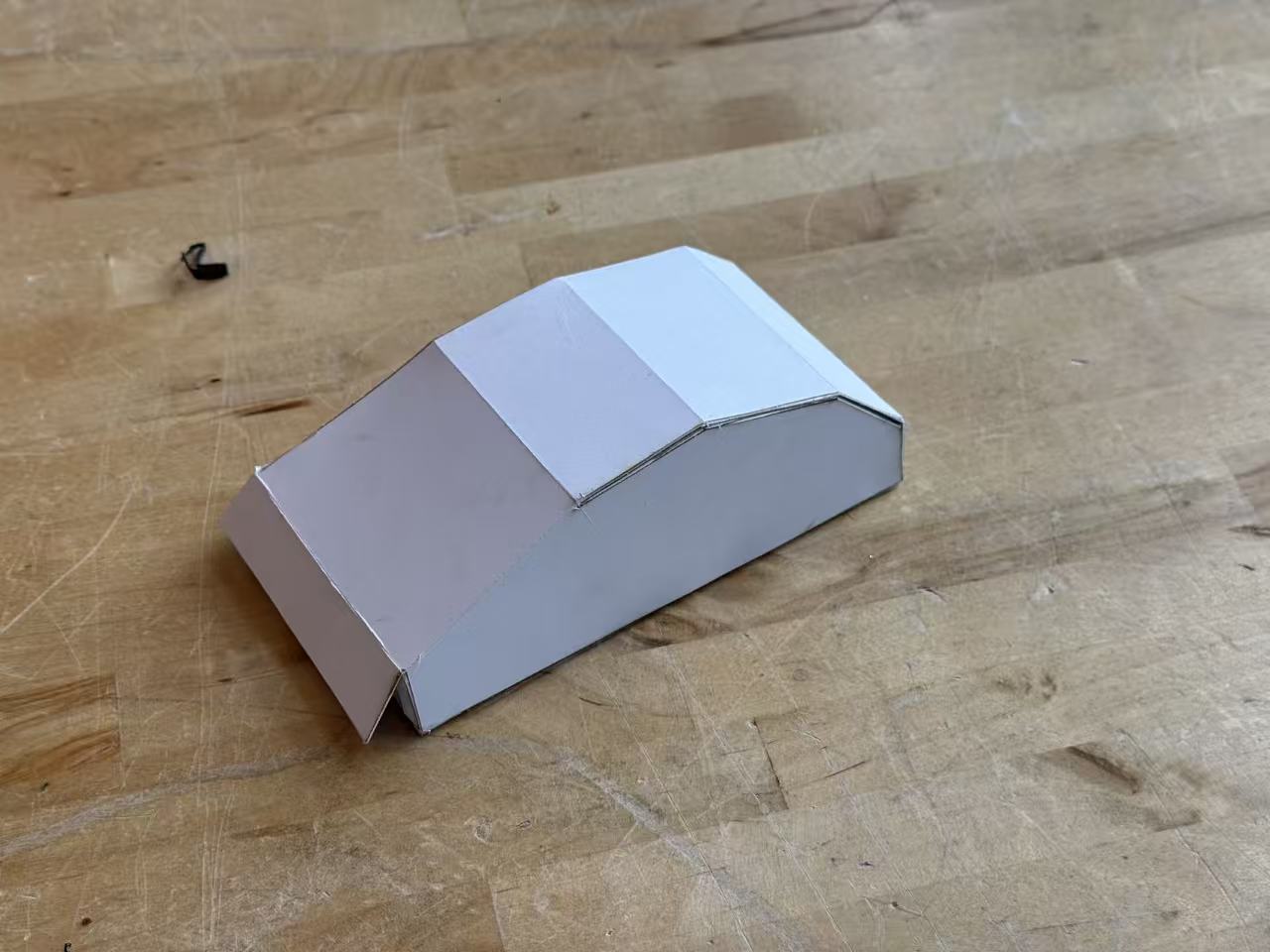
Modeling clay was then applied as a surface layer, enabling precise sculpting of curves, edges, and transitions. This stage allowed for iterative adjustments based on physical interaction, with continuous refinement of the grip and contour. The clay surface captures the intended feel and usability of the final product.
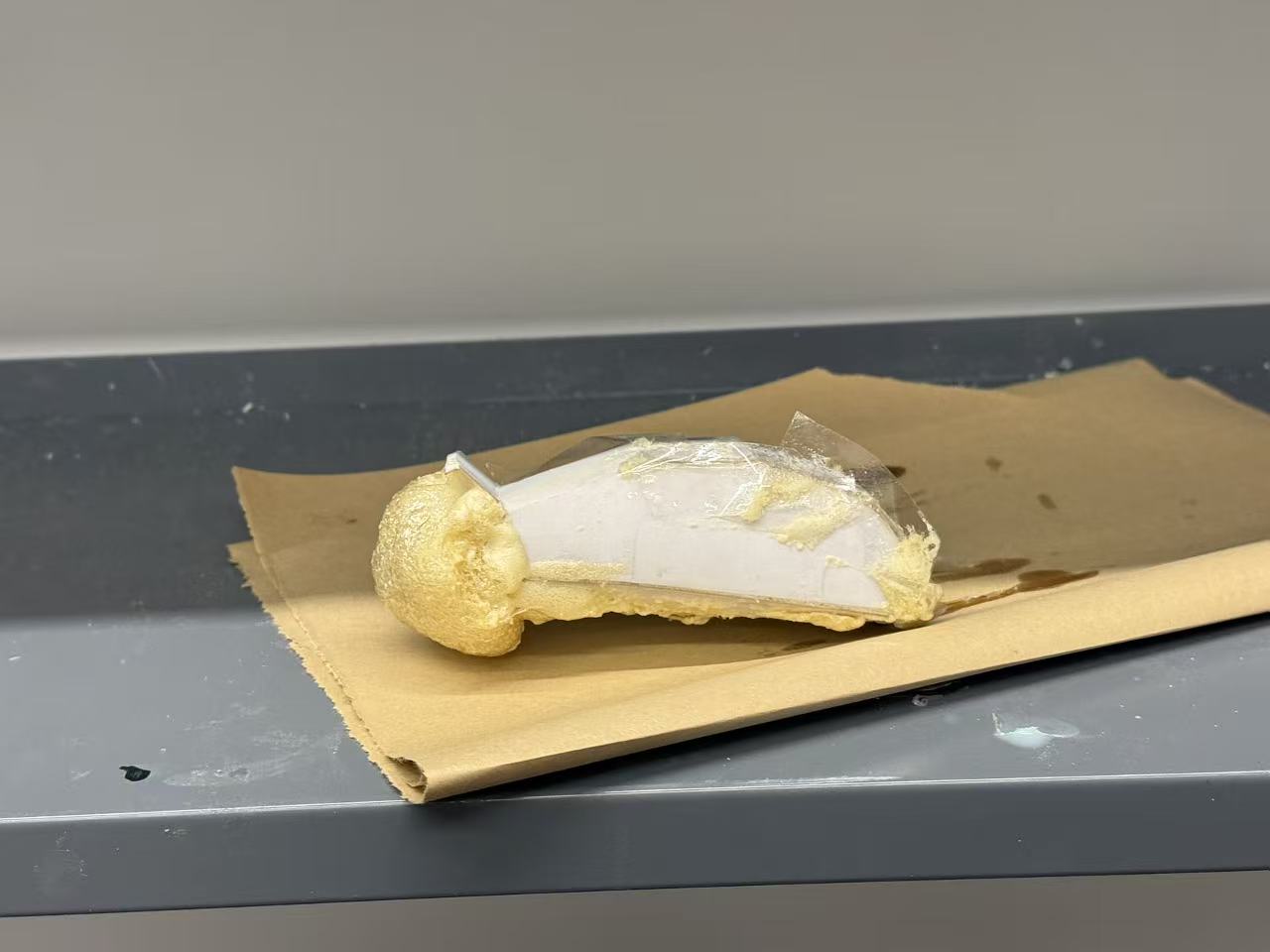
The final outcome demonstrates how physical modeling can inform design decisions that are difficult to achieve digitally. By directly shaping the form through touch and interaction, the design achieves a more intuitive and human-centered result, highlighting the importance of tactile prototyping in product design.
01
02
03